A Deadly Legacy: Inquiry Exposes the Human Cost of the Salisbury Poisonings
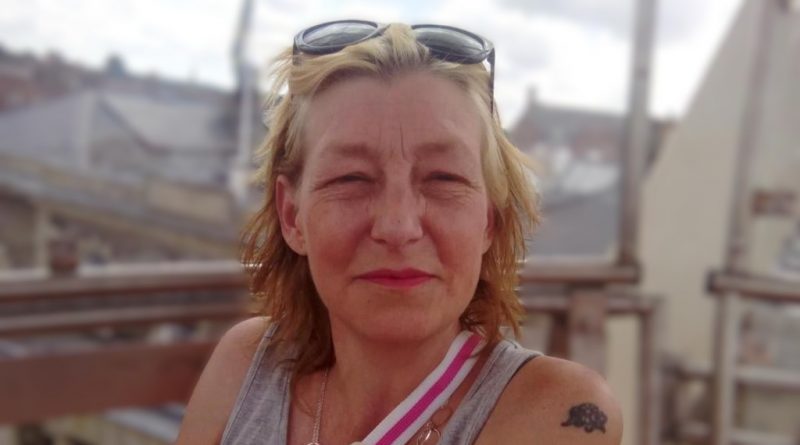
The long-awaited inquiry into the death of Dawn Sturgess has delivered its final verdict – and with it, a sobering account of the consequences of geopolitical recklessness. More than six years after a discarded perfume bottle brought her into contact with one of the world’s deadliest nerve agents, the report concludes that her fate had been sealed almost instantly. No medical intervention, it states plainly, could have saved her.
Yet for all its forensic detail, the inquiry also confronts a much broader truth: the poisoning that killed a 44-year-old mother of three in Wiltshire was the direct result of a state-sanctioned assassination attempt. And the responsibility for that, the report finds, leads back to the Kremlin.
A Family Seeking Answers
For the Sturgess family, the publication marks the end of a long and anguished search for clarity. They have maintained, with remarkable dignity, that the full circumstances of Dawn’s death must be laid bare. Lord Hughes, who chaired the inquiry, praised their persistence and extended his condolences, acknowledging their role in ensuring a complete and transparent investigation.
Their message following the publication was simple: “We can finally put her to peace.”
Reconstructing the Operation
The inquiry reaffirms that Sergei and Yulia Skripal were the intended targets. Russian operatives Alexander Petrov and Ruslan Boshirov – identified by UK authorities as GRU officers – were observed conducting reconnaissance around the Skripal home before applying Novichok to the front-door handle.
Lord Hughes notes that the pair either did not care, or chose not to care, that anyone else might come into contact with the toxin: neighbours, delivery workers, visitors, or indeed Skripal’s visiting daughter.
Their actions, he writes, were “astonishingly reckless”. Before leaving the country, they discarded the perfume bottle containing Novichok in a place accessible to the public. Months later, it resurfaced in the hands of Charlie Rowley, who unwittingly gave it to Dawn Sturgess.
A Death That Could Not Be Prevented
When Ms Sturgess collapsed at her partner’s home on 30 June 2018, emergency responders had no reason to suspect a nerve agent. The symptoms resembled a suspected overdose, and there was no alert system that could have linked her illness to the earlier Salisbury attack.
By the time paramedics arrived, Lord Hughes confirms, her heart had stopped for a significant period. The brain damage was irreversible; she never regained consciousness. She died on 8 July.
The report makes clear: her death was “unsurvivable from a very early stage”.
Failures, But Not the Ones Most Expected
The inquiry did identify shortcomings – not in the emergency response, but in the long-term management of Sergei Skripal as a former intelligence asset.
While the report stops short of declaring he was inadequately protected, it concludes that issuing Skripal a new identity might have eliminated the risk of such an attack altogether. At the time, however, security services assessed the likelihood of a Kremlin-ordered assassination as low.
The inquiry recommends establishing a system that alerts local police if individuals with sensitive backgrounds face heightened risk – a safeguard notably absent at the time.
The Question of Responsibility
Prime Minister Keir Starmer described the findings as “a grave reminder of the Kremlin’s disregard for innocent lives”. Lord Hughes goes further, stating unequivocally that the chain of responsibility extends to “those who authorised the mission, up to and including President Putin”.
In his words: “They, and only they, bear moral responsibility for her death.”
The Russian government continues to deny all involvement.
A Tragedy That Reshaped National Security
The Salisbury poisonings were intended, the report says, to serve as “a public demonstration of Russian power”. Instead, they stand as a grim warning: that the consequences of clandestine state operations can reach far beyond their intended targets.
Dawn Sturgess did not choose to be part of any political conflict. Yet her name has become central to a case that reshaped how the United Kingdom thinks about national security, foreign interference, and the protection of vulnerable individuals caught in geopolitical crossfire.
The inquiry’s findings, stark and final, ensure that her story will not be forgotten.
Discover more from Trendxtra
Subscribe to get the latest posts sent to your email.