
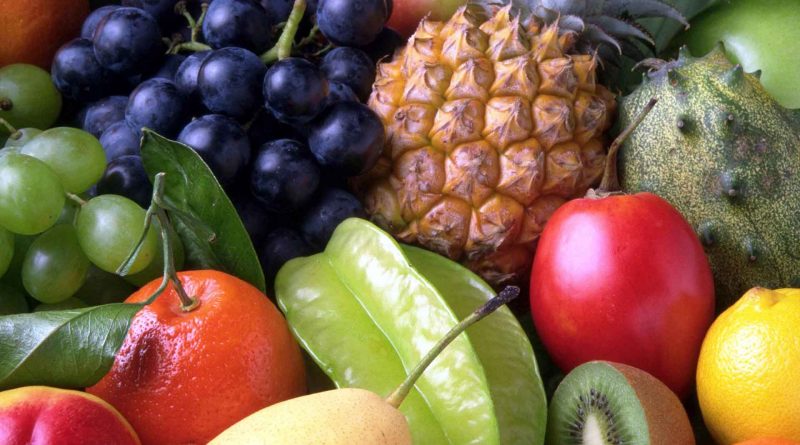
Get More Nutrition in Every Bite: The Power of Fruit in Your Daily Diet
In a world where fast food is quick to reach but real nourishment can feel out of sight, fruits remain nature’s simplest answer to better health. Bursting with vitamins, antioxidants and fibre, they offer one of the easiest ways to get more nutrition in every bite — no fancy supplements, no complex recipes, just pure, natural goodness.
Why Fruits Deserve a Starring Role on Your Plate
Fruit isn’t just a snack or smoothie ingredient — it’s a nutritional powerhouse. Each bite contains essential vitamins, minerals and water, alongside plant compounds that help protect the body from diseases.
Here’s why adding more fruit to your diet matters:
-
Vitamins that work harder – Oranges and kiwis deliver a generous boost of vitamin C, essential for immunity, skin repair and fighting off infections.
-
Antioxidants in every slice – Berries are packed with antioxidants like anthocyanins, which may help combat ageing and reduce inflammation.
-
Natural fibre for a healthier gut – Apples, pears and bananas support digestion and help keep blood sugar levels steady.
-
Hydration built-in – Fruits such as watermelon and strawberries are made up of more than 90% water, helping you stay hydrated effortlessly.
Top Fruits That Pack a Nutritional Punch
| Fruit | Key Benefits |
|---|---|
| Blueberries | Rich in antioxidants, supports brain and heart health |
| Oranges | High in vitamin C for immunity and skin health |
| Avocados | Full of healthy fats, potassium and vitamin E |
| Bananas | Great source of fibre, potassium and slow-release energy |
| Pomegranates | Loaded with polyphenols, beneficial for heart and blood flow |
| Apples | Fibre-rich and supports gut health and cholesterol control |
Simple Ways to Get More Nutrition in Every Bite
You don’t have to overhaul your diet — just make small, intentional swaps:
-
Breakfast upgrade: Add sliced banana, berries or kiwi to porridge or yoghurt.
-
Snack smarter: Swap biscuits for an apple with nut butter or a handful of grapes.
-
Blend it better: Make smoothies with whole fruits rather than fruit juice to keep the fibre.
-
Mix into main meals: Try mango in salads, pomegranate on roasted vegetables or apple with cheese.
-
Freeze for convenience: Frozen berries or chopped pineapple are perfect for last-minute smoothies or desserts.
Fresh, Frozen or Dried – Which Is Best?
All forms of fruit can be nutritious, but there are differences:
-
Fresh fruit is ideal, especially when in season.
-
Frozen fruit is picked at peak ripeness and often contains just as many nutrients.
-
Dried fruit offers concentrated fibre and vitamins but should be eaten in moderation due to higher sugar content.
A Colourful Plate Is a Healthier Plate
Each colour of fruit offers unique health benefits:
-
Red (strawberries, cherries): Heart health and anti-inflammatory properties
-
Orange/Yellow (mangoes, papayas): Vitamin A for eye health and immune support
-
Green (kiwi, green grapes): Rich in folate, vitamin K and natural enzymes
-
Purple/Blue (blackberries, plums): Brain health and cell protection
So, when in doubt — eat the rainbow.
The Takeaway
Getting more nutrition in every bite doesn’t mean eating less or dieting harder — it means choosing smarter. By simply incorporating more fruit into everyday meals, you can naturally boost your energy, immunity and long-term health.
Every slice of apple, every handful of berries, every juicy orange segment is more than just food — it’s nourishment.
Discover more from Trendxtra
Subscribe to get the latest posts sent to your email.