
Solar Eclipses: What We’ve Learnt and What Comes Next (November 2025 Update)
With the final eclipse of 2025 now behind us, attention has shifted from skywatching to science, reflection and excitement for the extraordinary celestial events arriving in 2026. Here’s the latest on what researchers have discovered, what we witnessed this year, and what to expect next.
Nature’s Reaction to Darkness: Birds Sing at the Wrong Time
A study published in October has shed fascinating new light on animal behaviour during total solar eclipses. During the 8 April 2024 eclipse in North America, scientists observed certain birds—including robins and cardinals—suddenly singing as if it were dawn, despite it being midday.
Researchers believe the brief plunge into darkness interrupted the birds’ biological clocks, tricking them into thinking morning had arrived. This phenomenon was recorded along the eclipse’s 2,500-mile path across Mexico, the United States and Canada, and continues to intrigue scientists studying how wildlife responds to sudden shifts in light.
The Final Eclipse of 2025: Quiet but Captivating
The last solar eclipse of 2025 occurred on 21 September—an understated partial eclipse visible mainly from Antarctica, the southern tip of South America and stretches of the Pacific Ocean. In some areas near New Zealand’s sub-Antarctic islands, up to 85% of the sun was obscured.
Although it passed over largely remote regions affecting around 16 million people, the event still prompted breathtaking images of the sun shaped like a glowing crescent. While subtle compared to total eclipses, it offered valuable scientific data and a calm conclusion to the year’s solar events.
Eyes to the Sky: What’s Coming in 2026
The excitement is already building for two major solar eclipses next year:
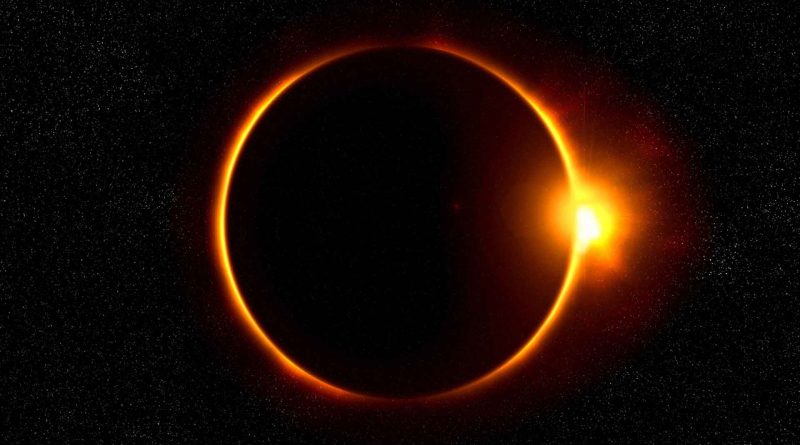
🌕 17 February 2026 – Annular Solar Eclipse (“Ring of Fire”)
This dramatic eclipse will form a burning ring of sunlight around the moon’s silhouette. The full annular phase will be visible across southern Africa, Antarctica and the southern Indian Ocean. Regions such as Namibia are preparing cultural events and safe viewing stations, with forecasters predicting clear skies in many areas. Parts of Australia and South America will witness a partial eclipse.
🌑 12 August 2026 – Total Solar Eclipse
Billed as one of the most spectacular European sky events of the decade, this total eclipse will sweep across Greenland, Iceland, northern Spain and Portugal. Totality—when the sun is fully hidden—will last up to two minutes. Travel companies are already selling out specialised tours to remote viewing spots, promoted as a once-in-a-lifetime opportunity for eclipse chasers.
A Quick Look Back at 2025’s Eclipses
-
Two partial solar eclipses – 29 March and 21 September
-
Total lunar eclipses added drama to the night skies
-
No total solar eclipses this year—despite rumours circulating online about an August total eclipse, NASA confirmed these were false
Now, enthusiasts and astronomers alike are turning their attention to February 2026, as the next major chapter in the sky’s story begins.
The Countdown Has Begun
From birds singing at the wrong time to fiery rings set to dazzle next year, eclipses continue to connect science, nature and human wonder. With no major solar events left in 2025, telescopes are being polished, travel plans made and excitement is quietly building.
Watch this space—2026 promises to be spectacular.