
Silent Wings, Global Threat: How Mosquito-Borne Diseases Are Endangering the World
They are small, almost weightless, and often ignored—until the fever comes. Mosquitoes, the world’s most lethal creatures, are spreading disease at an alarming rate, turning a tiny bite into a deadly crisis. From tropical villages to bustling cities, mosquito-borne illnesses are no longer just a seasonal nuisance; they are a global health emergency.
A Growing Global Menace
Mosquitoes transmit viruses and parasites that cause malaria, dengue fever, Zika, chikungunya, yellow fever and West Nile virus, among others. According to the World Health Organisation (WHO), mosquito-borne diseases are responsible for more than 700,000 deaths every year.
What makes this threat even more concerning is how quickly it is evolving. Climate change, rapid urbanisation, poor sanitation and increased global travel have allowed mosquitoes to expand their reach into new regions—including parts of Europe and North America that were once considered safe.
Dengue and Malaria on the Rise
Dengue Fever: No Longer a Tropical Illness
Traditionally confined to Asia and Latin America, dengue fever is now appearing in southern Europe, including France, Spain and Italy. The disease—often called “breakbone fever” due to its severe muscle and joint pain—has quadrupled globally in the past 20 years.
Malaria Makes a Disturbing Comeback
After years of progress, malaria cases rose again in Africa and parts of Asia. Sub-Saharan Africa remains the hardest-hit region, accounting for over 90% of malaria deaths, most of them children under the age of five. Even countries that had previously eradicated malaria are reporting isolated cases due to imported infections and climate-driven mosquito migration.
Climate Change: Fuel for the Mosquito Invasion
Warmer temperatures and heavier rainfall have created ideal breeding conditions for mosquitoes. Stagnant water, humid air and rising global temperatures mean mosquitoes can survive longer, breed faster and carry viruses more efficiently.
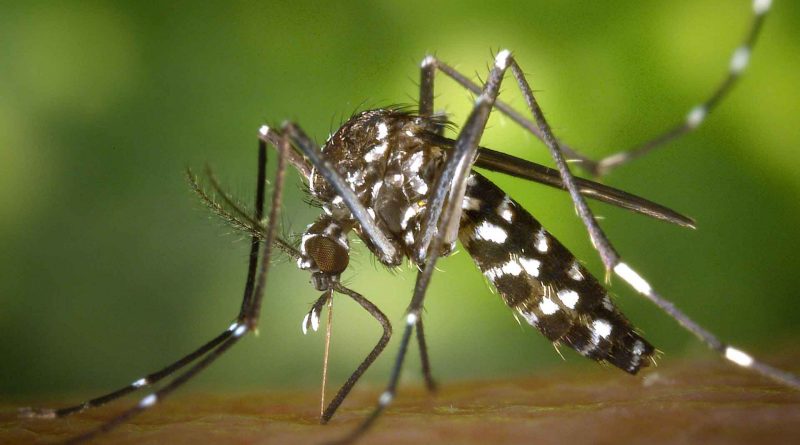
Countries like the United Kingdom and Germany have reported sightings of the Asian tiger mosquito—known for spreading dengue, chikungunya and Zika. Once a distant tropical threat, it is now moving steadily north.
Human Cost: Far Beyond Fever
Mosquito-borne diseases don’t just make people ill—they devastate economies, overwhelm healthcare systems and push vulnerable families deeper into poverty.
- Children miss school due to repeated infections.
- Healthcare systems collapse during outbreaks, especially in rural and low-income regions.
- Tourism and local businesses suffer, especially when governments are forced to issue travel warnings.
Hope in Science: Vaccines, Technology and Community Power
Despite the grim statistics, there is hope. Scientists and public health experts are fighting back with innovative solutions:
- First malaria vaccine (RTS,S) has been rolled out in several African countries, offering protection to children.
- New dengue vaccines, such as Qdenga, are being approved in Europe and Asia.
- Genetically modified mosquitoes are being tested to reduce breeding populations.
- Community-led strategies, including mosquito nets, water control and sanitation campaigns, remain some of the most effective defences.
A Call to Action
The battle against mosquito-borne diseases cannot be won by science alone. It requires cooperation between governments, communities and individuals. From funding life-saving vaccines to ensuring clean environments and proper healthcare access, decisive action is crucial.
Mosquitoes may be small, but their impact is enormous. We cannot afford to underestimate them.
Conclusion: The Bite We Can No Longer Ignore
Mosquito-borne diseases are not just a tropical problem—they are a planetary challenge. As temperatures rise and borders blur, this threat creeps ever closer to home. The world must act—not in fear, but with determination, innovation and unity.
Because in the quiet hum of a mosquito’s wings lies a warning… and a chance to change the course of global health.